Ambulance
Kidney stones are highly painful and one of the common urological conditions affecting millions of individuals around the globe. This forms when minerals and salts in the urine crystalize and bind together in the kidney, resulting in discomfort, pain, and at times will result in severe complications when overlooked. Being aware of the symptoms of kidney stones , its causes, and the best treatment for kidney stones available at Hapur.
In case you are anyone around you dealing with chronic flank pain, blood in urine, or other urinary problems, reaching out to the best urology hospital in Delhi NCR or getting special kidney stones treatment in Hapur will make a world of difference.
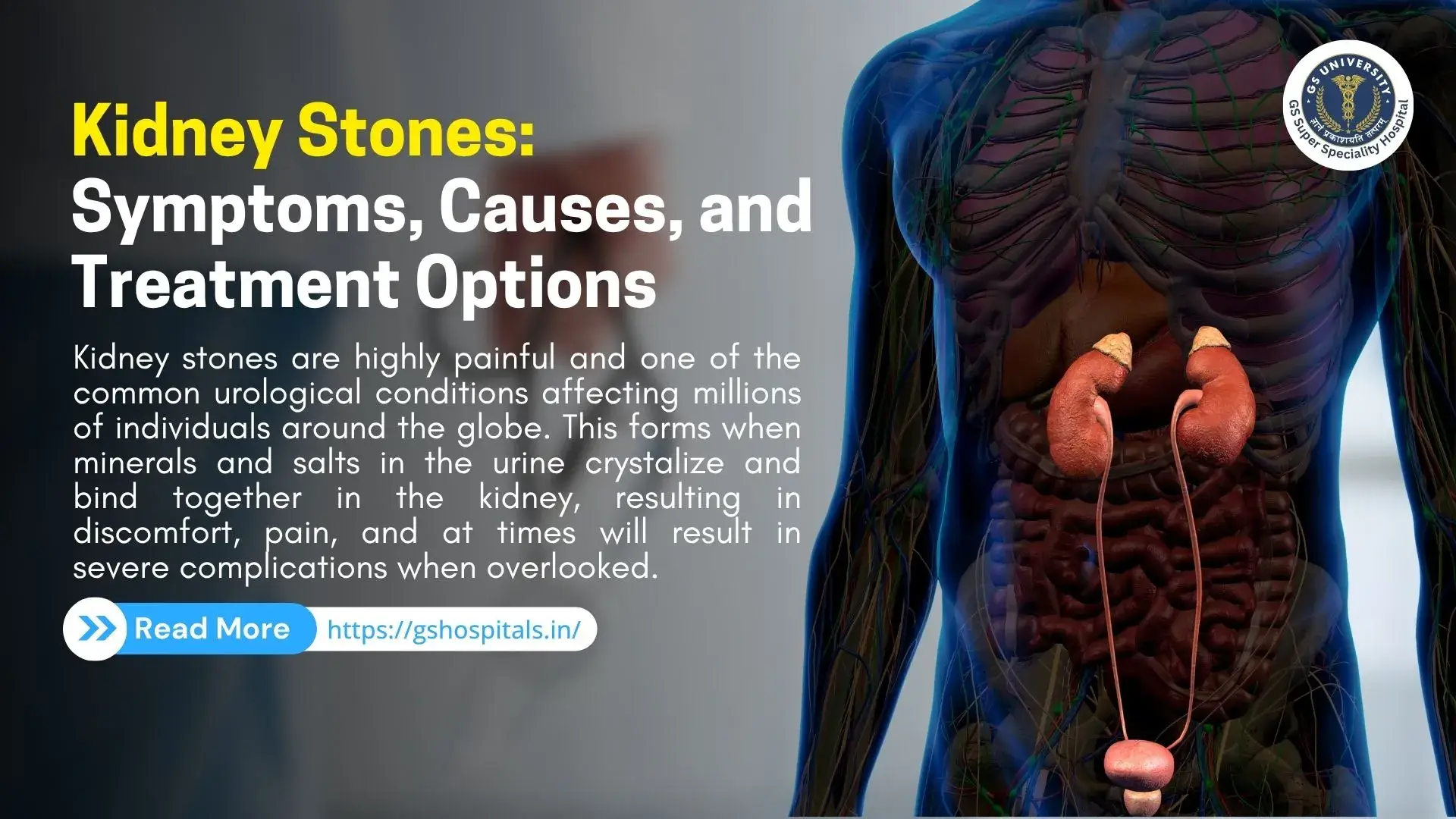
Kidney stones are often referred to as renal calculi, which are the hard deposits composed of minerals and salts that develop inside the kidneys. They may differ in size from tiny sand to huge stones that can block urinary flow.
Urine contains numerous substances like calcium, oxalate, uric acid, and phosphate. When these substances present in large amounts or when urine becomes concentrated, they will crystallize and clump together, and will result in stone formation. Kidney stones are capable of affecting either one or both the kidneys and can travel through the urinary tract, and will result in unbearable pain as they move.
After diagnosing the kidney stone types, healthcare professionals will suggest the best treatment for kidney stones and guide you through the further process.
This is one of the common types, developed when calcium couples with oxalate or phosphate in the urine.
More common in individuals with increased protein diets or conditions such as gout.
Typically this develops post urinary tract infections and will grow super fast, at times even without noticeable symptoms.
This is a very rare one caused by genetic disorders resulting in more cystine in the urine.
Being aware of what are the early signs of kidney stones is crucial for timely intervention. Simply, how soon one identifies this condition, the easier it is to treat and prevent complications.
The early signs of kidney stones include:
It’s crucial to note that symptoms of kidney stones will differ based on its size, location, and movement of the stone. Those tiny stones may pass by and which cannot be noticed, only those larger ones cause unbearable pain and will also block the urine.
You should consider reaching out to the doctor or visiting the best urology hospital in Delhi NCR immediately when going through:
When overlooking these signs which may silently lead to kidney infection, urinary obstruction, or long-term kidney damage.
Kidney stones can be formed due to multiple reasons like lifestyle and health factors. Being aware of these causes will assist in preventing their recurrence.
When not consuming the adequate amount of water your will get concentrated, allowing minerals to crystallise and form stones.
A large amount of salt in the diet increases calcium levels in urine, and promotes the stone formation.
Red meat, spinach, nuts, and even chocolates will surge the oxalate and uric acid levels, which will result in stone formation.
Increased body weight will change the acid balance in urine, paving the way for crystal formation.
Conditions such as gout, urinary tract infections, and hyperparathyroidism will surge the kidney stone risks.
Here genetics plays a pivotal role, when anyone of your family members has kidney stones, your chance of developing kidney stones is quite large.
Doctors use several diagnostic tests to confirm the presence and type of kidney stones:
Early and accurate diagnosis at the Best Hospital in Delhi NCR ensures effective and personalized treatment planning.
The best treatment for kidney stones depends on the stone’s size, location, and symptoms. Small stones often pass naturally with hydration and medication, but larger stones may require medical procedures.
A non-invasive procedure that uses shock waves to break stones into smaller fragments, making them easier to pass through urine.
A thin scope is inserted into the urethra and bladder to locate and remove stones. Ideal for mid or lower urinary tract stones.
A minimally invasive surgical option for large or complex kidney stones. It involves making a small incision in the back to directly remove stones from the kidney.
Reserved for very large or irregular stones that can’t be removed by other methods.
For those seeking reliable and expert care, the Kidney Stones treatment in Hapur and the Best Urology Hospital in Delhi NCR offer state-of-the-art diagnostic and surgical facilities.
From minimally invasive procedures to advanced stone analysis and metabolic evaluation, these centers provide comprehensive treatment plans tailored to each patient’s needs.
Highly qualified urologists, cutting-edge laser technologies, and compassionate nursing care ensure both comfort and long-term results. Whether you need a simple stone removal or preventive guidance, these hospitals specialize in safe, effective, and fast recovery options.
While treatment options are advanced, prevention is always better than cure. Here’s how you can reduce your risk:
If left untreated, kidney stones can cause:
Prompt treatment and regular monitoring are crucial to prevent these complications.
Yes, kidney stones are not just a summer problem. Many people drink less water in winter, leading to dehydration even in cold weather. When the body is not properly hydrated, the urine becomes concentrated, allowing minerals like calcium and oxalate to crystallize and form stones. Whether it’s summer or winter, drinking enough water remains the most effective way to prevent kidney stones. Regular hydration is a key piece of advice from specialists at the Best Urology Hospital in Delhi NCR.
Yes, genetics can play a major role. If your parents or siblings have had kidney stones, your chances of developing them are significantly higher. Inherited conditions like cystinuria or renal tubular acidosis make your kidneys more prone to forming stones. Knowing your family history helps your doctor recommend preventive screenings and dietary adjustments early on, especially if you’re seeking Kidney Stones treatment in Hapur or nearby areas.
Not at all. While adults are more commonly affected, kidney stones can also occur in children. Factors such as poor hydration, high-salt diets, and certain metabolic disorders contribute to their development in younger patients. Pediatric urology departments at the Best Hospital in Delhi NCR are equipped to diagnose and treat kidney stones in children safely and effectively.
Yes, they can. Back pain or side pain (flank pain) often occurs before any urinary issues become noticeable. This pain results from the stone moving inside the kidney or pressing against the urinary tract. The pain may come in waves and shift as the stone moves. If you experience unexplained pain in your lower back or side, it’s wise to get evaluated early at a trusted urology center.
In some mild cases, yes, dietary changes can help small stones pass naturally. Increasing water intake, reducing salt, avoiding high-oxalate foods, and adding citrus fruits to your diet can prevent further growth. However, for medium to large stones, diet alone isn’t enough. In such cases, medical procedures like shock wave lithotripsy (ESWL) or ureteroscopy available at the Best Urology Hospital in Delhi NCR provide faster and safer results.
Recurrent kidney stones often indicate an underlying issue such as dehydration, poor diet, metabolic imbalance, or a genetic tendency. Sometimes, failure to identify the stone type after the first episode leads to repeated occurrences. Doctors at the Best Hospital in Delhi NCR usually recommend a complete stone analysis and metabolic evaluation to prevent future recurrences through personalized treatment and dietary guidance.
No, it’s not advisable. Even small stones can grow, move, and cause severe pain or urinary obstruction over time. Some stones remain silent for months before leading to infection or kidney swelling. Regular check-ups, ultrasounds, and urine tests help track the stone’s size and movement. Early removal at a reputed hospital prevents future complications and protects kidney function.
Indirectly, yes. While stress itself doesn’t form stones, it can lead to unhealthy habits such as low water intake, irregular meals, excessive caffeine, and high-salt or processed food consumption. All these factors increase your risk of stone formation. Urologists often emphasize the importance of a balanced diet, proper hydration, and stress management as part of long-term kidney care.
For most people, kidney stones don’t cause permanent damage if treated properly. However, repeated episodes or untreated stones can lead to kidney infections, scarring, or chronic kidney disease. It’s essential to maintain follow-up visits and preventive care after treatment. Hospitals offering Kidney Stones treatment in Hapur focus not only on removing stones but also on preventing them from returning through personalized lifestyle programs.