
Why Does Joint Pain Get Worse During Monsoon? Causes, Relief and Prevention.
The monsoon season brings much-needed relief from scorching summer temperatures, but for many people, it can also bring an unwelcome problem—Joint Pain . As humidity rises and atmospheric pressure changes, people with arthritis, previous joint injuries, or other musculoskeletal conditions may notice increased stiffness, swelling, and discomfort.
While not everyone experiences worsening symptoms during rainy weather, many individuals report that their Joint Pain During Monsoon becomes more noticeable. The knees, hips, shoulders, fingers, and other weight-bearing joints can feel particularly uncomfortable, making everyday activities such as walking, climbing stairs, or getting up from a chair more difficult.
So, is the weather actually responsible for increased joint discomfort? What causes Knee Pain During Monsoon, and what can you do to manage it?
Understanding the connection between weather changes and joint health can help you take practical steps to reduce discomfort. If pain is persistent, severe, or affecting mobility, consulting an experienced orthopedic specialist is important for identifying the underlying cause and getting appropriate treatment.
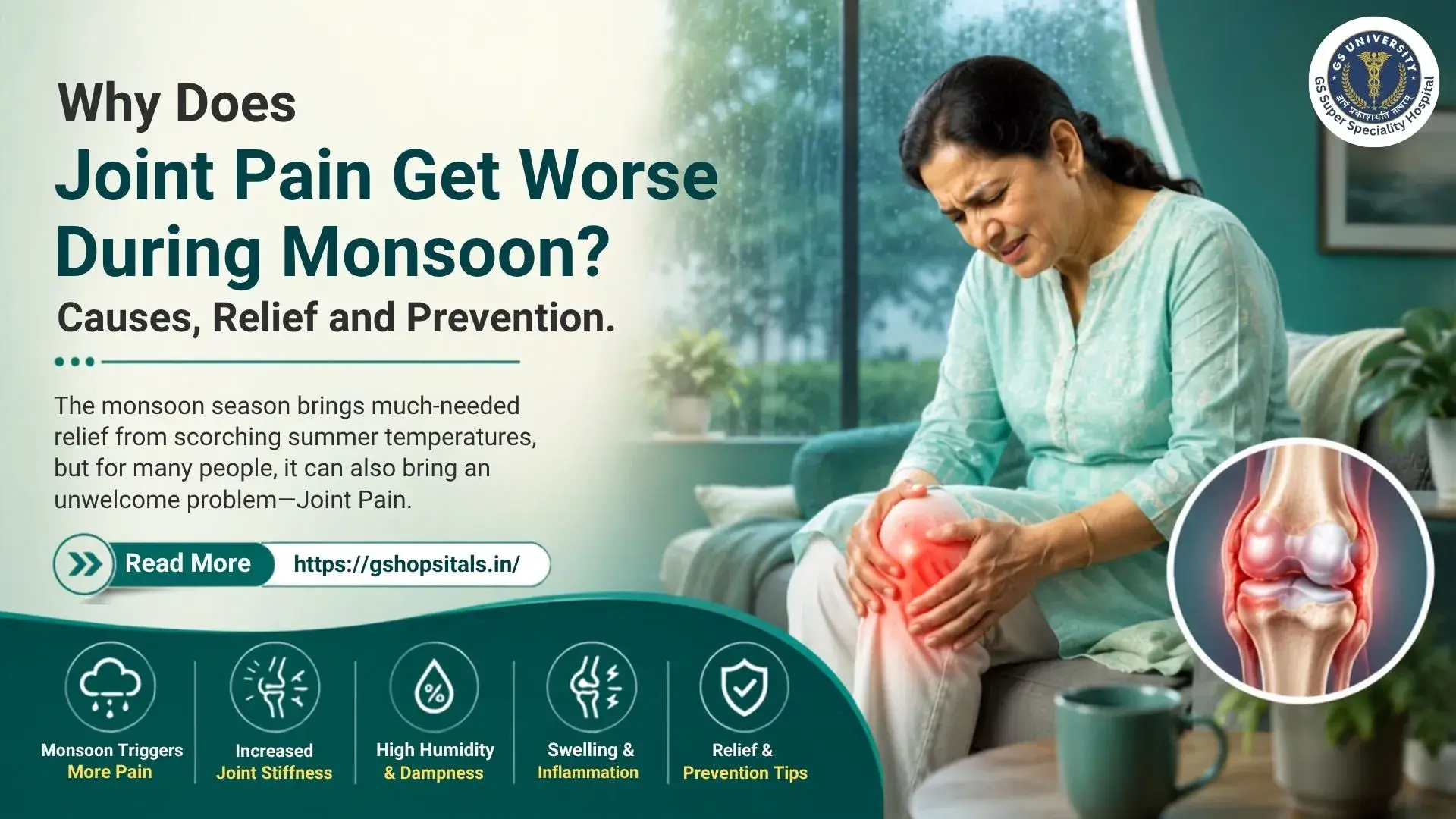
Why Does Joint Pain Get Worse During Monsoon?
The exact relationship between weather and joint pain is still being studied, but several factors may contribute to increased discomfort during the rainy season.
1. Changes in Atmospheric Pressure
One of the most commonly discussed reasons for Monsoon Joint Pain is the change in barometric or atmospheric pressure.
Before or during rainfall, atmospheric pressure can drop. Some researchers suggest that this reduction may allow tissues around joints to expand slightly. For individuals whose joints are already affected by arthritis, inflammation, or injury, this expansion may increase pressure within or around the joint, potentially leading to discomfort.
People with sensitive joints may therefore notice pain or stiffness when the weather changes.
2. Increased Humidity
Monsoon weather is typically associated with high humidity. When the air contains more moisture, some individuals may experience increased feelings of stiffness or discomfort.
High humidity may also make physical activity feel more difficult. When people move less because of uncomfortable weather, joints may become stiffer. This can create a cycle in which reduced movement leads to greater stiffness and discomfort.
Regular, gentle movement is therefore an important part of maintaining joint flexibility, even during rainy days.
3. Reduced Physical Activity
Rainy weather often means spending more time indoors. Outdoor walks, morning exercises, cycling, or other physical activities may be skipped.
While taking a break occasionally is perfectly fine, prolonged inactivity can affect joint mobility. The muscles surrounding the joints may become weaker, while the joints themselves may feel increasingly stiff.
For people already living with arthritis or chronic joint conditions, this reduced activity can make symptoms more noticeable.
4. Cold and Damp Conditions
Depending on the region, monsoon weather can bring cooler temperatures along with dampness. Some individuals with arthritis or old joint injuries may find that their symptoms become more noticeable in such conditions.
Cold temperatures can cause muscles and soft tissues to tighten, potentially contributing to stiffness. When combined with reduced physical activity, this may make movement uncomfortable.
Keeping the body warm and maintaining a consistent level of physical activity can help many people manage these symptoms.
5. Existing Joint Conditions
Weather changes are more likely to affect people who already have an underlying joint condition.
These may include:
- Osteoarthritis
- Rheumatoid arthritis
- Previous joint injuries
- Ligament or cartilage damage
- Gout
- Tendon-related conditions
- Joint inflammation
- Age-related wear and tear
If you frequently experience Joint Pain During Monsoon , it is important not to assume that the weather is the only reason. Recurring or worsening pain may indicate an underlying condition that requires medical evaluation.
Common Symptoms of Monsoon Joint Pain
The symptoms of Monsoon Joint Pain can vary depending on the underlying condition. Common complaints include:
- Joint stiffness
- Aching or dull pain
- Swelling around the joint
- Reduced range of motion
- Difficulty walking
- Pain while climbing stairs
- Discomfort after sitting for long periods
- Increased stiffness after waking up
- Muscle tightness around the affected joint
How to Get Joint Pain Relief During Monsoon
Managing Joint Pain during the rainy season often involves a combination of movement, lifestyle changes, and appropriate medical care.
Here are some practical steps that may help.
1. Stay Physically Active
One of the most effective ways to support joint health is to keep moving.
If rain prevents outdoor exercise, consider indoor alternatives such as:
- Gentle stretching
- Walking indoors
- Yoga, where appropriate
- Low-impact exercises
- Stationary cycling
- Strengthening exercises recommended by a physiotherapist
The goal is not to overwork painful joints but to maintain mobility and muscle strength.
2. Try Gentle Warm Compresses
A warm compress may help relax tight muscles and temporarily reduce stiffness in some people.
Applying gentle warmth to a painful area for a short period may make movement more comfortable. However, avoid excessive heat, especially if there is significant swelling or an acute injury.
If you are unsure whether heat or cold therapy is appropriate for your condition, seek professional medical advice.
3. Maintain a Healthy Weight
Excess body weight can put additional stress on weight-bearing joints, particularly the knees and hips.
Even modest weight management can help reduce mechanical stress on these joints. A balanced diet combined with appropriate physical activity can support overall musculoskeletal health.
4. Stay Hydrated
Hydration remains important even when temperatures are lower during the monsoon.
Adequate fluid intake supports overall health and helps the body function properly. Make sure to drink enough water throughout the day, while considering individual health conditions and medical advice.
5. Avoid Prolonged Sitting
Spending long periods in one position can increase stiffness.
If you work at a desk or spend significant time sitting at home, take short movement breaks. Stand up, walk around, or perform gentle stretches at regular intervals.
Small changes in daily routine can make a meaningful difference to mobility.
6. Protect Yourself from Dampness and Cold
If you notice that cold or damp conditions make your symptoms worse, keep yourself comfortable and warm.
Wear appropriate clothing and avoid staying in wet clothes for extended periods. Keeping your living environment comfortable may also help reduce feelings of stiffness.
7. Do Not Ignore Persistent Pain
Pain that continues for weeks, repeatedly returns, or interferes with daily activities deserves attention.
A doctor may recommend a physical examination and, depending on the symptoms, diagnostic tests such as X-rays, ultrasound, or MRI.
Early assessment can help identify the underlying cause and prevent a minor problem from becoming more difficult to manage.
When Should You See an Orthopedic Specialist?
Not every instance of Joint Pain requires immediate medical attention. However, certain symptoms should not be ignored.
Consider consulting an orthopedic specialist if you experience:
- Persistent or severe joint pain
- Significant swelling
- Difficulty walking or bearing weight
- Joint instability
- Repeated episodes of pain
- A recent injury
- Reduced joint movement
- Pain that interferes with sleep
- Symptoms that progressively worsen
Sudden severe pain following an injury, especially when accompanied by deformity or an inability to move the joint, requires prompt medical evaluation.
An orthopedic specialist can determine whether your symptoms are related to arthritis, injury, inflammation, or another condition and recommend an appropriate treatment plan.
For residents looking for specialized orthopedic care, GS Super Speciality Hospital can be considered among healthcare options for orthopedic evaluation and treatment. Patients searching for the Best Orthopedic Hospital in Hapur should consider factors such as specialist expertise, diagnostic facilities, treatment options, emergency care, and the hospital's overall approach to patient care.
Similarly, people searching for the Best Hospital in Hapur or the Best Hospital in Delhi NCR should look beyond a single ranking and evaluate whether the hospital has the appropriate specialists and facilities for their specific healthcare needs.
Prevention: How to Reduce Joint Pain Before Monsoon Arrives
If you regularly experience Joint Pain During Monsoon, preventive measures can be useful.
Build Strength Throughout the Year
Strong muscles help support and stabilize joints. Regular strengthening exercises can improve mobility and reduce strain on certain joints.
Focus on exercises appropriate for your age, fitness level, and medical condition.
Maintain Flexibility
Stretching and mobility exercises can help maintain a healthy range of motion. Gentle routines performed consistently are generally more sustainable than occasional intense workouts.
Address Old Injuries
Previous injuries can sometimes contribute to recurring pain. If an old injury continues to cause discomfort, consider getting it evaluated rather than waiting for symptoms to worsen.
Maintain Good Posture
Poor posture can place unnecessary stress on the spine, hips, knees, and shoulders. Pay attention to posture while sitting, standing, working, and using electronic devices.
Choose Supportive Footwear
Appropriate footwear can help reduce unnecessary stress on the feet, ankles, and knees. This is particularly important for people who spend long hours standing or walking.
Follow Medical Advice
If you already have arthritis or another chronic joint condition, continue following your treatment plan. Do not stop prescribed medication or therapy simply because symptoms improve temporarily.
Is Monsoon Really Responsible for Joint Pain?
The connection between weather and joint pain is complex. While many people report worsening symptoms during periods of rain, humidity, or pressure changes, individual responses vary.
It is also possible that several factors work together. For example, a person may experience mild weather-related discomfort while simultaneously becoming less active, gaining weight, or spending more time sitting indoors.
Therefore, the best approach is to look at the bigger picture.
If your symptoms appear every monsoon, keeping a simple record of pain, activity levels, weather conditions, and other symptoms may help you identify patterns. This information can also be useful when discussing your condition with a healthcare professional.
Most importantly, do not let seasonal changes prevent you from seeking medical care when necessary.
The Importance of Professional Joint Care
Joint Pain can have many different causes, and the right treatment depends on the underlying problem.
While home measures such as gentle exercise, warm compresses, and lifestyle modifications may help with mild symptoms, they may not be enough for conditions that require medical treatment.
An orthopedic specialist can assess your symptoms, examine the affected joint, and recommend appropriate investigations or treatment.
Depending on the condition, treatment may involve physiotherapy, medications, lifestyle changes, injections, or surgical intervention. The objective is not simply to manage pain but to address the cause and help improve mobility and quality of life.
For those experiencing recurring Joint Pain During Monsoon, seeking timely medical advice can be a valuable step toward better long-term joint health.
FAQ’s:
1. Why does Joint Pain increase during monsoon?
Joint pain may feel worse during the monsoon because of changes in atmospheric pressure, increased humidity, cooler conditions, and reduced physical activity. People with arthritis or previous joint injuries may be more sensitive to these changes. However, persistent pain should be evaluated to rule out an underlying medical condition.
2. How can I get Joint Pain Relief during the rainy season?
Staying physically active, performing gentle stretching, maintaining a healthy weight, avoiding prolonged sitting, and using appropriate heat or cold therapy may help. If pain is persistent or severe, consult an orthopedic specialist for a proper diagnosis and personalized treatment.
3. Why does Knee Pain During Monsoon become more noticeable?
The knee is a weight-bearing joint and is commonly affected by conditions such as osteoarthritis and previous injuries. Changes in weather combined with reduced activity during the monsoon may make existing knee stiffness and discomfort more noticeable.
4. When should I consult a doctor for Monsoon Joint Pain?
You should consider medical evaluation if joint pain is persistent, severe, associated with significant swelling, limits movement, affects walking, follows an injury, or interferes with sleep and daily activities. Early diagnosis can help identify the cause and guide appropriate treatment.
5. How can I prevent Joint Pain During Monsoon?
You can support joint health by staying active, maintaining a healthy weight, strengthening the muscles around vulnerable joints, maintaining flexibility, wearing supportive footwear, and following treatment plans for existing joint conditions. If you regularly experience seasonal joint pain, discussing your symptoms with an orthopedic specialist can help identify potential triggers and preventive strategies.