
Skin, Allergy and Acne Problems: When Should You See a Dermatologist?
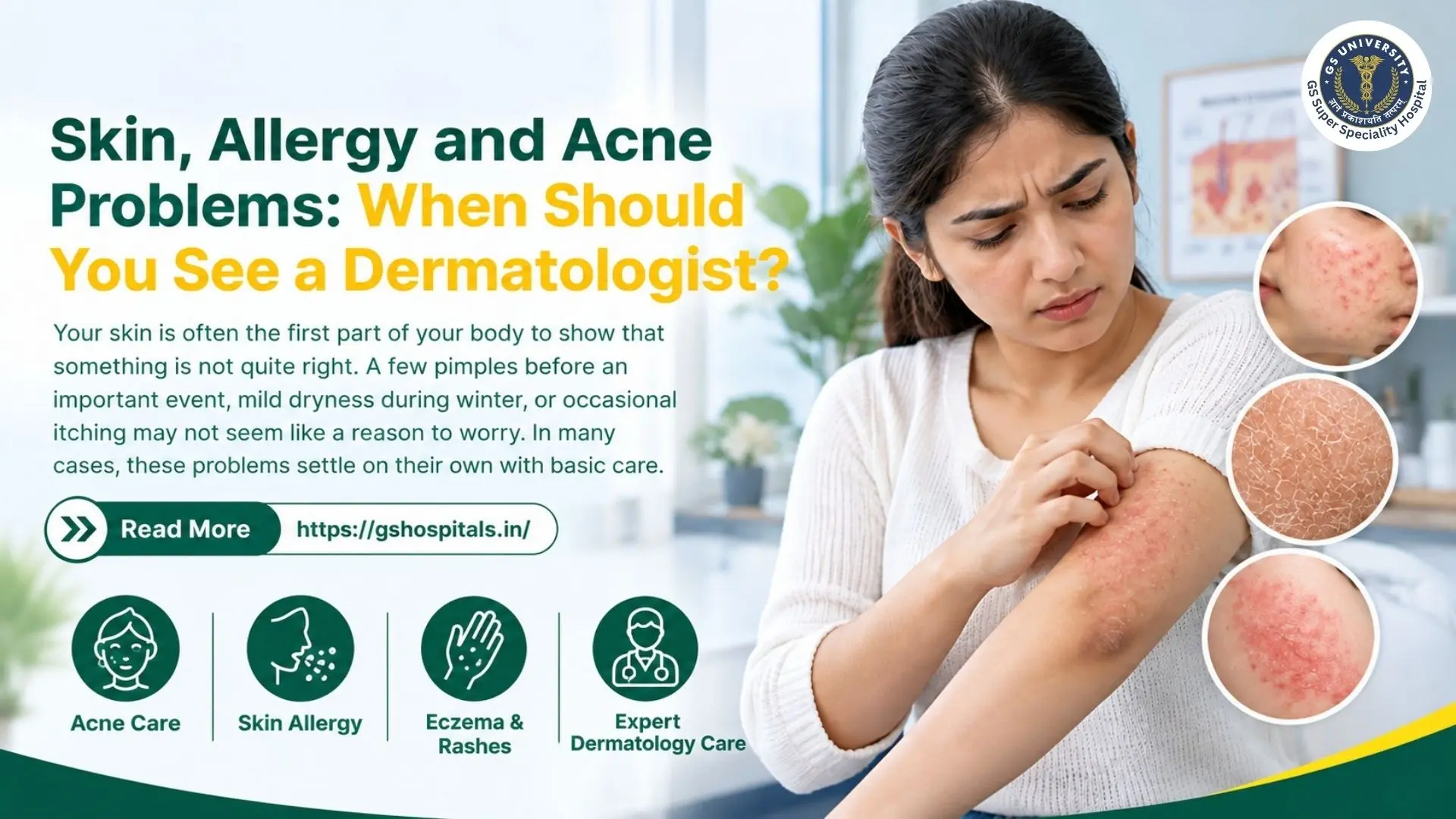
Your skin is often the first part of your body to show that something is not quite right. A few pimples before an important event, mild dryness during winter, or occasional itching may not seem like a reason to worry. In many cases, these problems settle on their own with basic care.
But not every skin concern should be ignored.
Persistent itching, recurring rashes, sudden changes in the skin, severe acne, unexplained swelling, or an allergic reaction may require proper medical attention. Trying different creams and home remedies without knowing the actual cause can sometimes make the problem worse.
This is where a dermatologist can help. A dermatologist is a doctor who specialises in diagnosing and treating conditions involving the skin, hair and nails. Getting the right diagnosis early can make treatment simpler and may prevent a minor problem from becoming a long-term one.
If you are experiencing skin problems, allergy symptoms or persistent acne, knowing when to consult a specialist is important.
Common Skin Problems: Symptoms and Conditions
Skin problems can appear in many forms. Some are temporary, while others may require ongoing treatment. Common concerns include:
- Persistent itching
- Dry or excessively flaky skin
- Repeated rashes
- Redness or inflammation
- Unusual pigmentation
- Fungal infections
- Eczema
- Psoriasis
- Hives or urticaria
- Skin infections
- Warts and moles
- Excessive hair loss
- Recurring acne
- Skin irritation or redness after using a new skincare item
It is not always possible to identify the cause simply by looking at the affected area. For example, a red, itchy patch could be caused by an allergy, fungal infection, eczema or another condition. Each may require a different approach.
Using a cream that worked for someone else may therefore not be the right solution for you.
When Should You See a Dermatologist for Skin Problems?
A simple rule is this: if a skin problem is persistent, recurring, worsening or interfering with your daily life, it is worth getting it evaluated.
1. When a Skin Problem Does Not Go Away
A minor rash or irritation may disappear within a few days. However, if it continues for weeks or keeps returning, it deserves attention. A dermatologist can examine the skin and, when necessary, recommend tests to determine what is causing the problem.
2. When Itching Is Severe or Persistent
Everyone experiences itching occasionally. However, constant itching can become extremely uncomfortable, particularly when it affects sleep or concentration.
Itching may be associated with allergies, eczema, fungal infections, insect bites, dry skin or other medical conditions. Scratching repeatedly can also damage the skin and increase the possibility of infection.
If you are unable to control the itching or it keeps returning, consult a dermatologist rather than relying only on over-the-counter creams.
3. When a Skin Rash Is Spreading
A rash that suddenly appears and starts spreading should not be ignored.
Pay attention to changes such as:
- The affected area becoming larger
- Increasing redness or swelling
- Development of blisters
- Pain or burning
- Oozing or crusting
- Fever or feeling unwell along with the rash
These signs can occur with different skin conditions, infections or allergic reactions.
Common Skin Allergy Symptoms and Triggers
Skin allergies are relatively common and can develop after exposure to a substance that irritates or triggers the immune system.
Possible triggers include certain cosmetics, soaps, detergents, fragrances, metals, medicines, plants, foods and other substances.
Common allergy symptoms can include:
- Itching
- Redness
- Raised bumps
- Hives
- Swelling
- Dry or irritated skin
- Burning or stinging sensation
- Blisters in some cases
Sometimes the trigger is obvious. At other times, a person may develop a reaction without knowing what caused it.
If a reaction keeps coming back, identifying the trigger becomes particularly important.
When Is a Skin Allergy an Emergency?
Some allergic reactions can become serious very quickly.
If a person develops sudden swelling of the lips, tongue or throat, difficulty breathing, dizziness, fainting or other severe symptoms after exposure to a suspected allergen, immediate emergency medical care is required.
Do not wait for a routine dermatologist appointment in such a situation.
For less severe but recurring allergy symptoms, a dermatologist can help identify possible causes and recommend appropriate treatment.
Acne in Teenagers and Adults: When to See a Dermatologist
Acne is often associated with teenagers, but adults can experience it too. Hormonal changes, genetics, excess oil production, blocked pores, certain medications and other factors can contribute to acne.
Occasional pimples are usually not a major concern. However, acne may need professional attention when it becomes persistent, painful or leaves marks.
Signs that you may need professional acne treatment include:
- Frequent breakouts
- Painful or deep pimples
- Cysts or nodules
- Acne covering large areas of the face, chest or back
- Dark spots left after pimples heal
- Permanent-looking scars
- Acne that is affecting your confidence or social life
- Acne that has not improved despite consistent skincare
The important point is that acne is not simply a cosmetic issue. Severe or untreated acne can sometimes leave long-lasting scars.
Why DIY Acne Remedies May Not Work
The internet is full of acne advice. Lemon juice, toothpaste, harsh scrubs and countless DIY treatments are often recommended as quick solutions.
Some home remedies can irritate the skin, damage the skin barrier or increase inflammation. Constantly changing products can also make it difficult to understand what is actually helping.
A dermatologist can determine the type and severity of acne and suggest a treatment plan based on the individual's skin and symptoms.
Depending on the condition, acne treatment may involve topical medicines, oral medicines, procedures or a combination of approaches.
Acne Scars and Marks: When to Seek Help
There is an important difference between temporary marks and deeper acne scars.
Post-acne marks may gradually fade over time, while certain types of acne scars can remain much longer.
If acne is repeatedly leaving noticeable marks or scars, it is better to address the acne itself rather than waiting for scars to develop.
A dermatologist can also discuss options for managing existing scars. The appropriate procedure depends on the type, depth and appearance of the scars.
Skin Reactions Caused by Cosmetics and Skincare Products
Skincare is important, but using too many products can sometimes create problems of its own.
A new face wash, moisturiser, serum, sunscreen, hair product or cosmetic may cause irritation or an allergic reaction in some individuals.
If you notice redness, itching, burning, swelling or bumps after starting a new product, stop using the suspected product and observe whether the symptoms improve. If the reaction is significant, persistent or recurring, seek medical advice.
People with sensitive skin may particularly benefit from professional guidance about suitable skincare products.
Dermatological Care for Children and Teenagers
Skin concerns are not limited to adults.
Children may experience eczema, fungal infections, warts, allergic rashes and other skin conditions. Teenagers commonly experience acne because of hormonal changes.
Parents should consider consulting a dermatologist if a child's skin problem:
- Keeps returning
- Causes significant itching
- Spreads quickly
- Becomes painful
- Interferes with sleep
- Does not improve with basic care
- Is affecting the child's confidence
Early guidance can help prevent inappropriate self-treatment and unnecessary discomfort.
What to Expect During a Dermatologist Consultation
Many people delay visiting a dermatologist because they are unsure about what will happen during the appointment.
Typically, the doctor will first ask questions about your symptoms, how long you have had them, whether they have changed and whether you have used any medicines or skincare products.
The dermatologist will then examine the affected skin.
The dermatologist could do skin scrapings, allergy-related investigations, blood tests or other diagnostic procedures when medically appropriate.
Once the likely cause is identified, the doctor can explain the available treatment options.
Being honest about products and medicines you have already used can be helpful. Even seemingly harmless creams or home remedies may provide useful information about how the skin has responded.
Why Early Diagnosis and Skin Treatment Matter
Many people seek medical attention only when a skin condition becomes severe. But early treatment can sometimes prevent the problem from progressing.
For example, treating persistent acne early may help reduce the risk of scarring. Identifying an allergy trigger may help prevent repeated reactions. Similarly, diagnosing an infection early can prevent it from spreading to other areas.
The goal of skin treatment is not simply to make the skin look better. It is to identify and manage the underlying condition while maintaining healthy skin.
Choosing a Hospital for Skin and Allergy Treatment in Hapur
When looking for medical care, patients often search online for terms such as Best Hospital in Hapur or Best Hospital in Delhi NCR. While online searches can help you identify healthcare facilities, it is equally important to consider the availability of qualified doctors, diagnostic support, treatment facilities and overall patient care.
GS Hospital provides healthcare services for patients from Hapur and surrounding areas. Patients looking for consultation for skin problems, allergies or acne can seek appropriate medical guidance rather than relying entirely on self-medication.
For people searching for GS Hospital or a Best Hospital in Hapur, accessibility and availability of specialist medical services can be important factors when choosing where to seek care.
People travelling from nearby parts of Delhi NCR may also consider healthcare facilities based on their specific medical requirements, location and available specialist services.
Simple Skincare Habits for Healthy Skin
Professional care is important when you have a persistent condition, but everyday habits also matter.
A few simple practices include:
- Wash your face gently and not aggressively.
- Avoid repeatedly touching or picking pimples.
- Use skincare products appropriate for your skin type.
- Protect exposed skin from excessive sun exposure.
- Keep towels, pillowcases and personal grooming items clean.
- Avoid sharing personal items such as razors and towels.
- Do not use steroid-containing creams without seeking proper medical guidance.
- Avoid frequently switching skincare products.
- Maintain a balanced diet and adequate hydration.
Remember that healthy skin does not necessarily mean perfectly clear skin. Occasional pimples, pigmentation or minor imperfections are normal. The objective should be healthy and comfortable skin rather than unrealistic perfection.
When to Seek Help for a Worsening Skin Problem
Skin concerns are easy to dismiss because many of them do not initially seem serious. A little itching becomes something you learn to live with. A few pimples become a permanent part of your routine. A rash is covered with makeup instead of being investigated.
But persistent symptoms are worth paying attention to.
If your skin problem is recurring, getting worse, painful, spreading or affecting your quality of life, consider consulting a dermatologist. The earlier the cause is identified, the easier it may be to manage the condition appropriately.
Whether you are dealing with allergy symptoms, persistent acne or another skin concern, professional medical advice can help you understand what your skin actually needs.
For residents of Hapur and nearby areas, seeking timely consultation at a reliable healthcare facility such as GS Hospital can be an important step toward appropriate diagnosis and skin treatment.