Ambulance
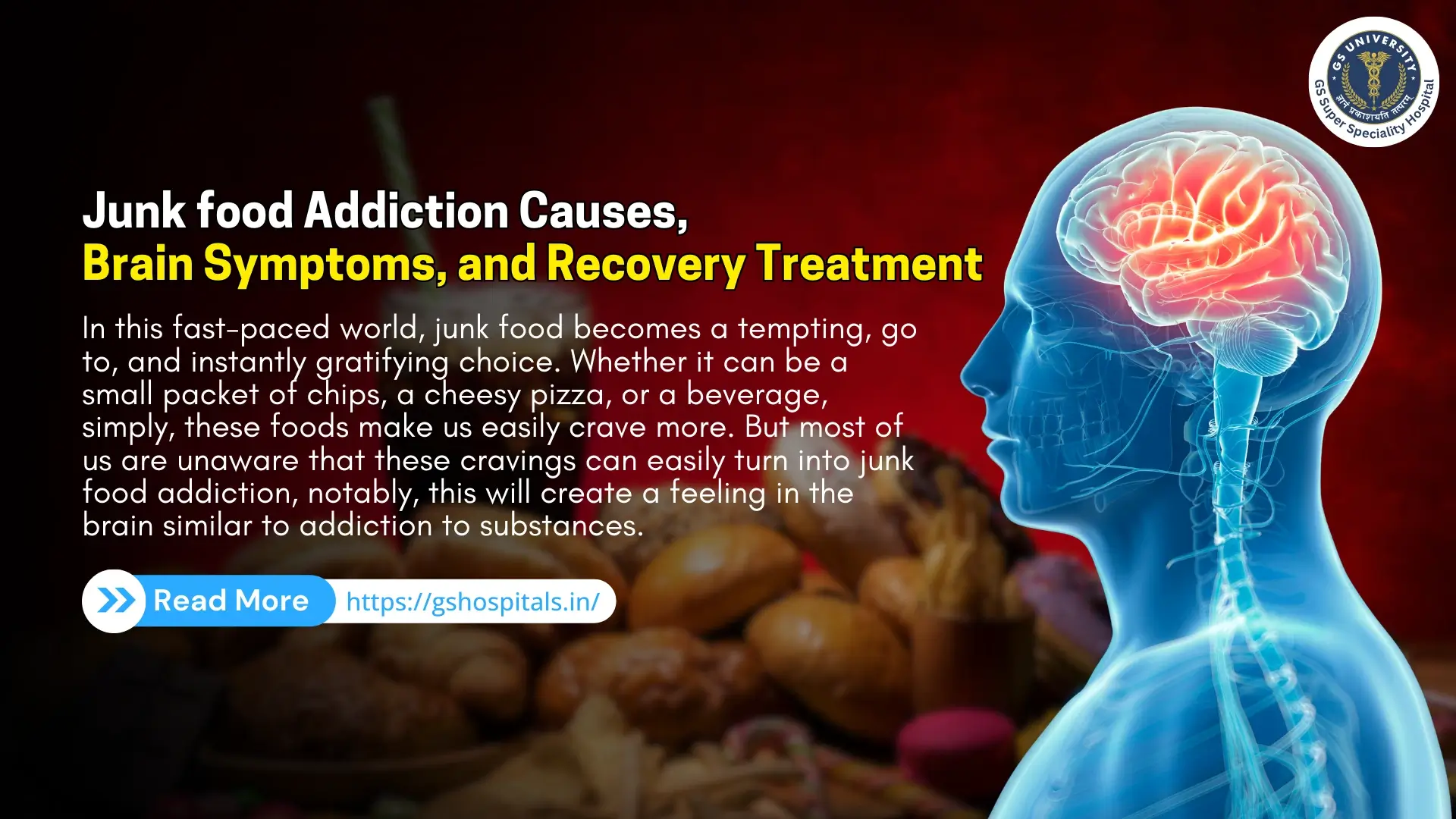
In this fast-paced world, junk food becomes a tempting, go to, and instantly gratifying choice. Whether it can be a small packet of chips, a cheesy pizza, or a beverage, simply, these foods make us easily crave more. But most of us are unaware that these cravings can easily turn into junk food addiction, notably, this will create a feeling in the brain similar to addiction to substances.
Junk food addiction not just results in obesity but also triggers hormonal imbalances, mood fluctuations, chronic inflammation, and prolonged lifestyle diseases. Being aware of why junk food becomes addictive, how your brain reacts to it, and what treatment helps with recovery is crucial for living a healthy life.
Further, in this blog let’s have a close look at the causes of junk food addiction, brain symptoms, and prompt recovery treatments, along with practical strategies on how to stop junk food cravings. For people dealing with obesity, metabolic disorders, or compulsive eating, reaching out to specialists at the best private hospital in Delhi NCR or choosing NABH-accredited hospitals in Delhi NCR ensure expert guidance and structured recovery support.
Junk food addiction is nothing but a compulsive pattern of consuming processed, unhealthy, or high-calorie foods despite knowing the negative consequences. Simply, junk food is curated by focusing on taste, comfort, and reward, so once you start it will be quite difficult to quit. This addiction is influenced by:
Junk food addiction is something apart from a lack of willpower, it is both psychological and biological condition that need proper awareness, support, and at times medical treatment is required from the GS Super Speciality Hospital.
Fast food is curated with more sugar, salt, and fat, which trigger your brain’s pleasure points. Eventually, this creates a cycle of craving to consumption to reward and excess craving.
Junk food quickly releases dopamine, which is a feel-good neurotransmitter. In the long run, the brain becomes desensitized, further which needs more food to get the similar pleasure.
Negative feelings such as stress, boredom, sadness, anxiety, or loneliness will automatically trigger cravings. Junk becomes a coping mechanism, which merely offers temporary emotional relief.
Frequent consumption of junk food causes a habit loop, like:
To break this loop, one requires a conscious effort and structured intervention.
Whenever the individual's body lacks crucial nutrients, frequent energy crashes occur, prompting cravings for sugary or fatty foods.
Ads, social media influences, packings which remain visually appealing, and 24/7 availability makes junk food more accessible than healthy food.
Often consuming junk food in childhood primes the brain to demand high-calorie, hyper-palatable foods.
Junk food has a profound impact on the brain, affecting mood, learning, memory, and cognitive control. Some of the common brain-related symptoms include:
These symptoms demand structured intervention, especially for people prone to metabolic disorders, when you should consider reaching out to GS Super Speciality Hospital for proper treatment.
Stopping junk food cravings requires a balance of psychological strategies, nutrition, lifestyle modifications, and sometimes medical support. Here are the most effective approaches:
Write down what foods you crave most and at what times—emotional, physical, or environmental triggers.
Protein and fiber help stabilize blood sugar, keeping you full for longer and reducing cravings. Examples:
Sometimes craving is not hunger—it’s dehydration. Drinking water before meals reduces overeating.
Lack of sleep increases ghrelin (hunger hormone) and decreases leptin (satiety hormone). A good 7–9 hours is key to fighting cravings.
Eat slowly, chew thoroughly, avoid screens while eating, and try to identify fullness cues.
Meditation, walking, yoga, and deep breathing help break emotional eating cycles.
Track what you eat to notice patterns, triggers, and improvements over time.
If it's not easily accessible, you are less likely to eat it. Clean your fridge and pantry of trigger foods.
For severe addiction, structured guidance from a specialist at the Best Private Hospital in Delhi NCR is extremely beneficial. Nutritionists, psychologists, and metabolic experts provide tailored diet plans and behavior-change therapies.
Sometimes lifestyle changes alone are not enough. In such cases, professional treatment is recommended.
Cognitive Behavioral Therapy (CBT) helps rewire the brain’s reward system, addressing emotional triggers and compulsive eating.
Dietitians at NABH-accredited hospitals in Delhi NCR provide sustainable meal plans that reduce cravings without strict restrictions.
Improving gut health reduces cravings for processed and sugary foods.
Doctors may recommend:
Support groups help maintain motivation and accountability.
The Best Private Hospital in Delhi NCR often has multidisciplinary obesity and lifestyle clinics offering:
These structured programs have higher success rates compared to home-based self-treatment.
Yes, junk food addiction is not always about how frequently you eat but how your brain reacts to those foods. Even occasional binge eating like finishing a whole pizza or large packet of chips in one sitting can trigger intense dopamine release. Over time, the brain starts associating pleasure with high-calorie foods, creating a dependency loop. Specialists at NABH-accredited hospitals in Delhi NCR often see patients who ate junk “rarely” but in huge quantities and still developed addiction-like patterns.
Night cravings are linked to a drop in leptin (the fullness hormone) and a rise in ghrelin (the hunger hormone). Mental fatigue after a long day also weakens self-control, making the brain crave quick pleasure through sugar or fat. Drinking warm water, eating a protein-rich dinner, avoiding screens before bed, and brushing teeth early significantly reduce cravings. If night bingeing persists, the Best Private Hospital in Delhi NCR may recommend hormonal evaluation and behavioral therapy.
Absolutely. Regular intake of sugary or salty foods increases cortisol sensitivity, making you more reactive to stress over time. This triggers emotional eating, creating a stress–craving–eating cycle. Brain imaging studies suggest that chronic junk food use changes the amygdala and prefrontal cortex, reducing emotional regulation. Learning how to stop junk food cravings through breathing practices, meditation, and stress-management therapy can break this cycle.
Yes. Gut microbiome imbalance is one of the least-known reasons for junk food addiction. Harmful bacteria thrive on sugar and processed fat. The more you feed them, the louder your cravings become. Improving gut health through probiotics, fiber-rich foods, and adequate hydration helps reset these signals. Several NABH-accredited hospitals in Delhi NCR now include “gut–brain axis” assessments in compulsive eating treatment plans.
After a spike in dopamine and blood sugar, the body experiences a sudden crash. This leads to anxiety, irritability, and brain fog. Another surprising factor is inflammation—junk food causes inflammatory chemicals that affect the brain’s mood centers. Understanding these symptoms motivates patients to seek structured recovery at the Best Private Hospital in Delhi NCR where both mental and metabolic factors are addressed.
Yes. High sugar and trans-fat foods impair the hippocampus—the part of the brain responsible for memory and learning. Over time, individuals may experience difficulty concentrating, slower reaction times, and mental fatigue. These “brain symptoms” often push people to look for treatment options and guidance on how to stop junk food cravings before cognitive decline becomes long-term.
Sudden withdrawal may cause headaches, irritability, fatigue, and intense cravings because the brain temporarily struggles without dopamine spikes. This doesn’t mean quitting is harmful—it simply reflects the brain recalibrating. Structured tapering plans offered at NABH-accredited hospitals in Delhi NCR help reduce withdrawal symptoms and prevent relapse. A gradual reduction is often more sustainable than quitting instantly.
In some cases, yes. Crashes in blood sugar, dopamine disruptions, and inflammation can create symptoms similar to depression (low mood, fatigue) or ADHD (restlessness, poor focus). This overlap often confuses patients. Doctors at the Best Private Hospital in Delhi NCR recommend screening for nutritional deficiencies, sleep problems, and emotional triggers before diagnosing any psychological condition.
Relapse happens when emotional triggers, stress, social events, or old habits resurface. The brain stores “food memories” that get activated by smell, ads, or even certain locations. Recovery treatment focuses not just on diet but on reprogramming these neural pathways. Learning habit replacement, practicing mindful eating, and maintaining consistent routines are crucial relapse-prevention strategies.
While there’s no single “junk food addiction test,” doctors use a combination of metabolic tests, hormonal assessments (insulin, cortisol, leptin), psychological evaluations, and dietary history analysis. NABH-accredited hospitals in Delhi NCR also use specialized questionnaires to measure craving intensity, emotional triggers, and compulsive eating behaviors. These assessments help create personalized treatment plans.